Castle Clinton
A historic fort with nine lives at Battery Park
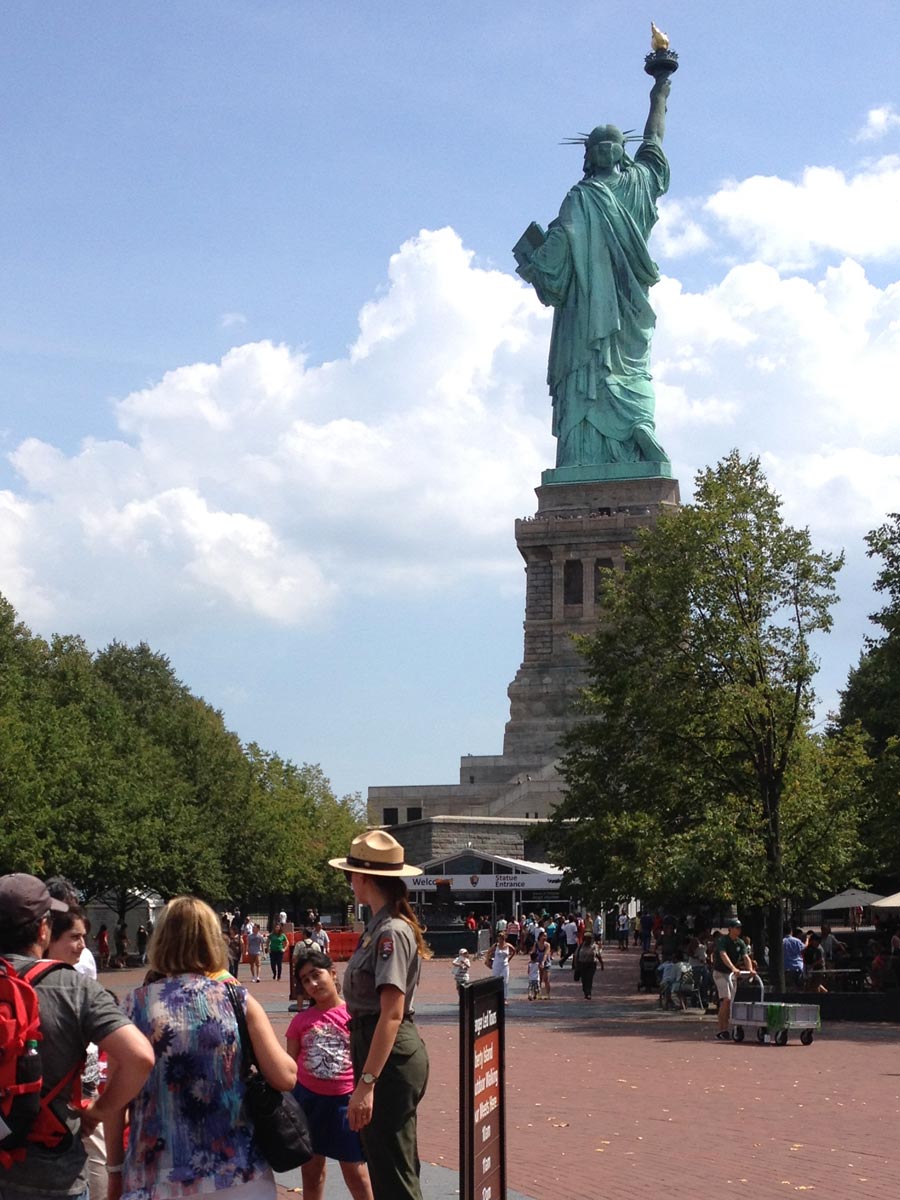
Castle Clinton was an early fortification originally meant for harbor defense when tensions between France, Great Britain and the United States grew following the Revolutionary War. However, throughout its 200-year history, Castle Clinton has assumed many roles. Although you are standing on solid ground at Castle Clinton, this part of Manhattan did not exist during colonial times. Castle Clinton was built as a man-made island connected by a long bridge to the harbor shore and the waterfront was actually 100 yards further inland. Today, Castle Clinton is a window into the city's past and serves as the location for all ticket sales for the ferry to the Statue of Liberty and Ellis Island. Visitors can get a sense of historic Manhattan through the displays on exhibit in the Castle, all while taking in the beauty of New York Harbor.
The fort at Castle Clinton was built in 1811, after the storm of Revolution had passed. It was one of the earliest military undertakings of the new nation anticipating the possibility of further conflict with Britain. Commissioned by Congress, the speed of its construction is a testament to how quickly and effectively America organized its government. The fort provided a strategic military presence at the northern edge of New York Harbor, which had been protected first by the Dutch and then by the English throughout New York's colonial history.
Castle Clinton's military service was short-lived as new defenses positioned further out in the harbor were created. The Castle was turned over to the city in 1824, and a complete renovation transformed the structure into Castle Garden. For 32 years Castle Clinton served as one of America's great entertainment centers, and it hosted such notable events as the triumphal return of the Marquis de Lafayette to America in 1824 and the debut of famed opera diva Jenny Lind in 1850.
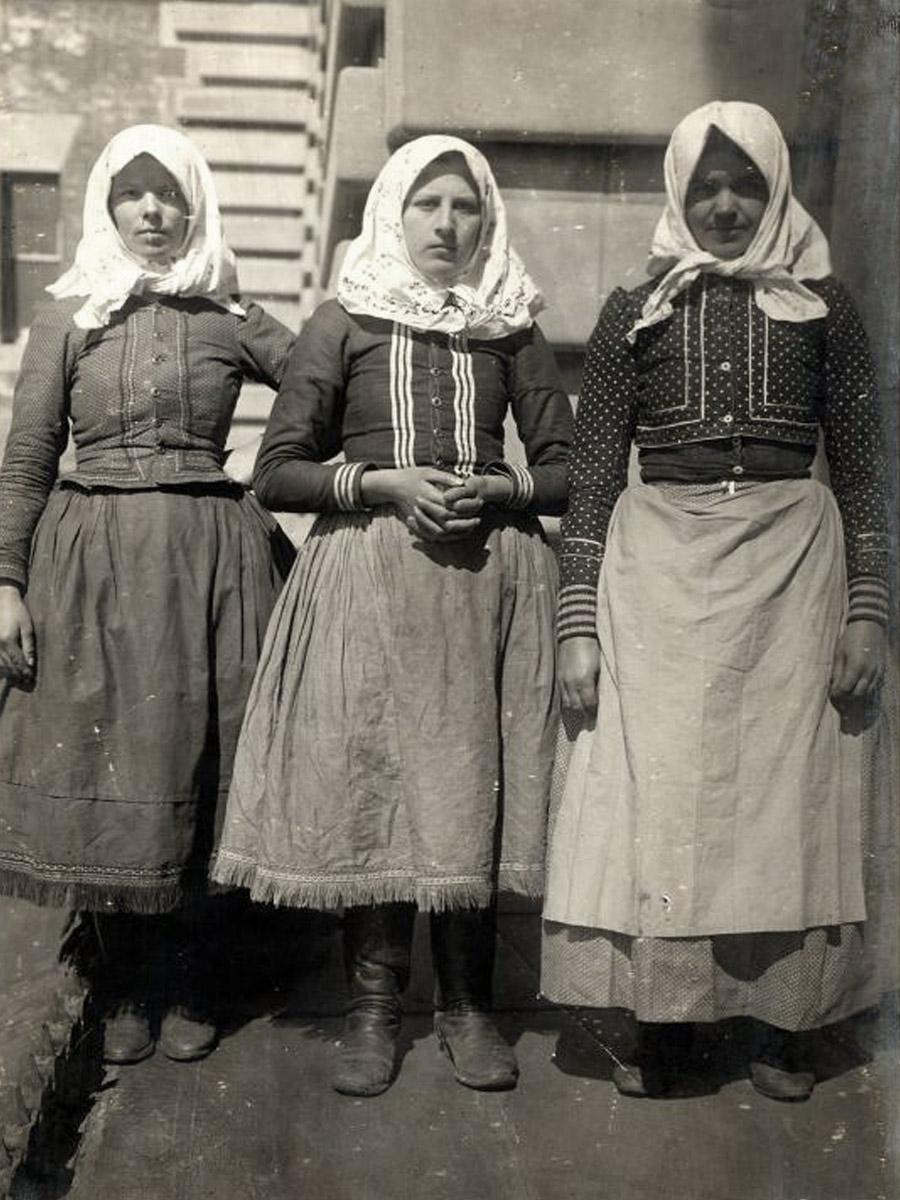
In 1855, its role changed again when it became the first official immigrant reception station operated by New York. Almost 8 million immigrants were processed here. In 1890 it was replaced by the new facility on Ellis Island, when the federal government took charge of the immigration process. In 1896, the building re-opened as the New York Aquarium, displaying species from local waters and later, more exotic creatures from further afield. The aquarium closed in 1941, and the fish were moved to the Bronx Zoo and then eventually to the new aquarium on Coney Island.
In 1946, Castle Clinton National Monument was authorized and the National Park Service took control of the site. Today, earlier modifications have been removed and the appearance of the site has been restored to that of the original fort.


A public database, at