Find us on Facebook
Jamaica Bay Wildlife Refuge banner

Things to do

SPECIAL EVENTS IN JULY

Egret

7/10, 10-11am and 2-3pm
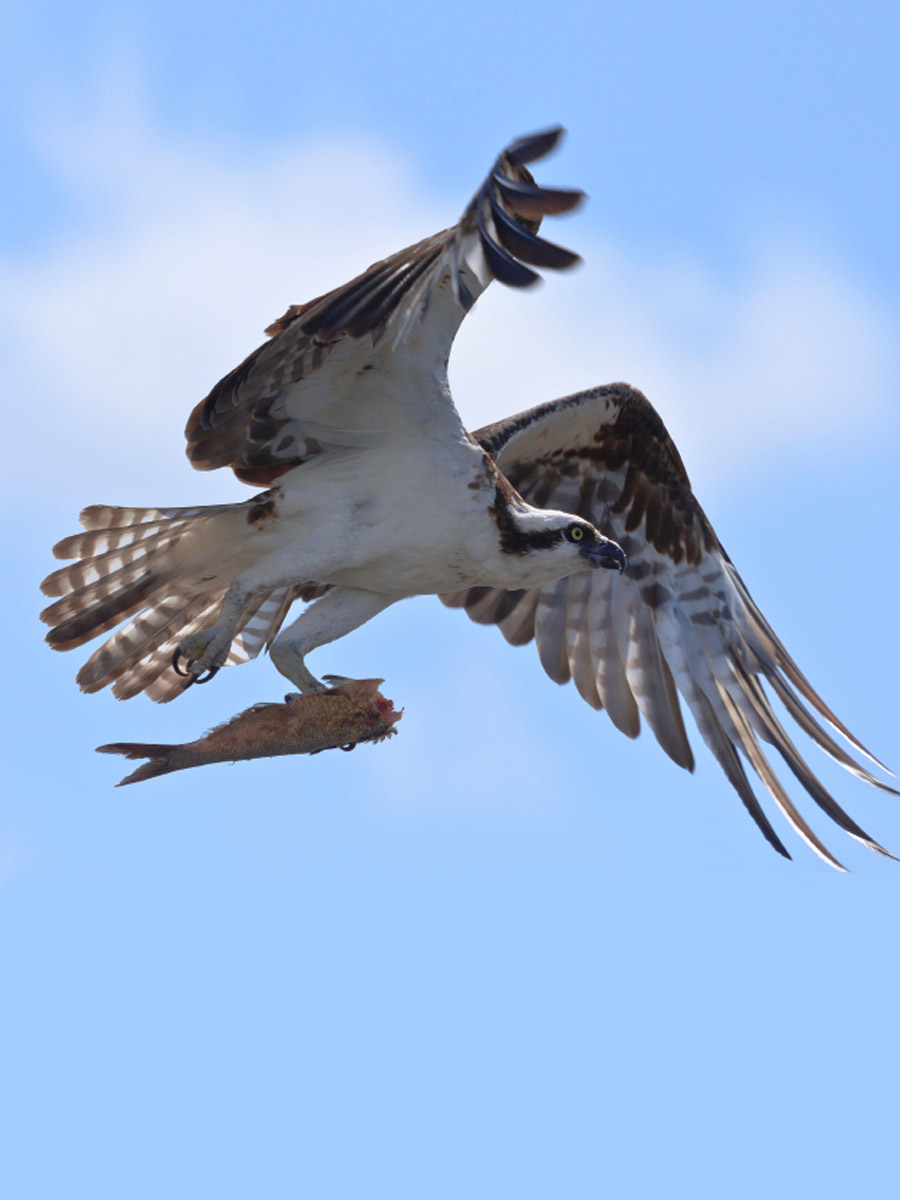
Osprey on the Wing

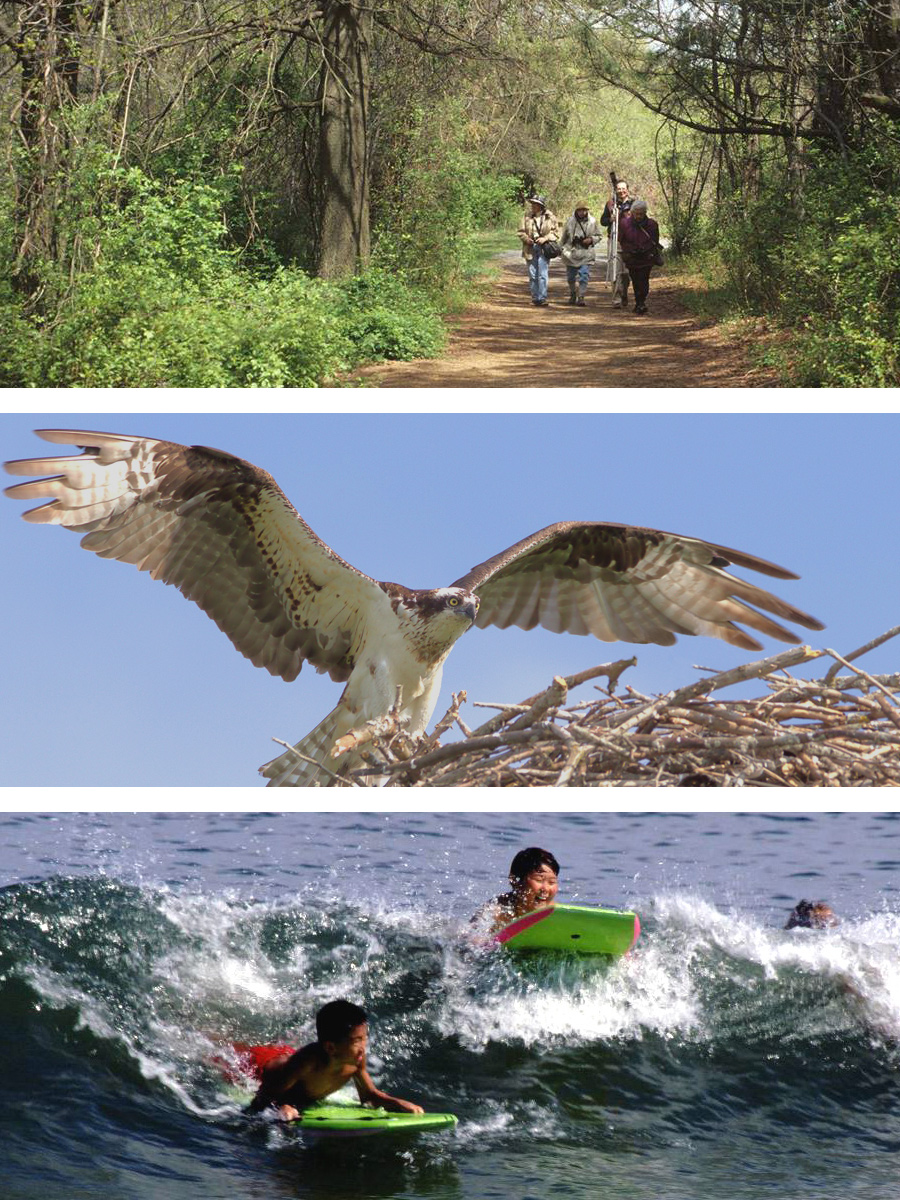
Join rangers in a morning or afternoon search for osprey. These favorites of birdwatchers can be seen nesting and hunting in the refuge. Bring your binoculars and drinking water.

7/11, 1-2pm
Animal Homes: Bird Nests

Bring the kids, ages 4-8 years old, and discover real animal homes on a nature walk, do an art project and more. Call ahead for reservations, (718) 318-4340.

7/17, 10am-12pm
Junior Rangers

Kids ages 7-12 can go for a hike at the refuge and become junior rangers.

7/25, 9-11am
NYC Audubon Shorebird and Butterfly Walk

Naturalist Don Riepe will lead a hike around the East and West Pond looking for shorebirds and butterflies. Call ahead for reservations, (718) 318-4340.

7/31, 9-11am
Shorebirds on the Pond

Join naturalist Ron Bourque for a search for shorebirds at the East Pond. Wear waterproof footwear and sun protection. Bring your binoculars and call ahead for reservations, (718) 318-4340.


Activities: Bird-watching and interpretive tours on a variety of natural history topics are offered; bring binoculars to get better views of the birds.

Go for a hike and keep your eyes peeled for herons, ibis, muskrats, turtles, and chipmunks. A free permit, obtainable at the Visitor Contact Station, is required to walk the trails.

What's the wildlife refuge like?
See our Jamaica Bay photo album on Facebook!

Visitor information

Gateway Nat'l Recreation Area
National Park Service
718-318-4340

HOURS

Trails: dawn-dusk, every day.
Visitor Contact Station: 8:30am-5pm, every day.

ACCESSIBILITY

The Visitor Contact Station is wheelchair accessible and handicapped parking is available.

LOCATION

Broad Channel, Queens.

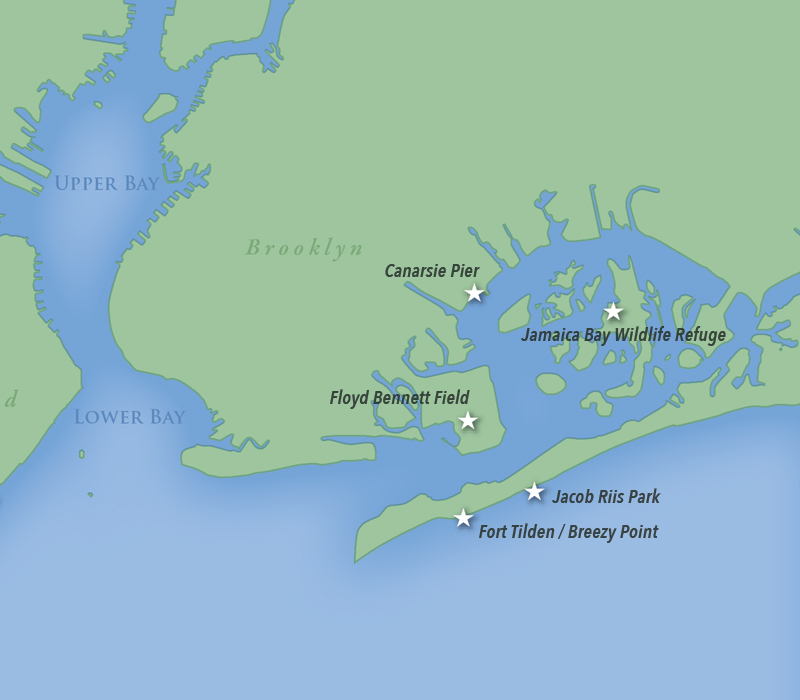
Map

Nearby attractions

Breezy Point
Canarsie Pier
Floyd Bennett Field
Fort Tilden
Jacob Riis Park

National Park Service arrowhead

Jamaica Bay Wildlife Refuge

The best place for bird-watching in the city amid the islands of Jamaica Bay

The Jamaica Bay Wildlife Refuge -- part of Gateway National Recreation Area -- is the only wildlife refuge in the national park system

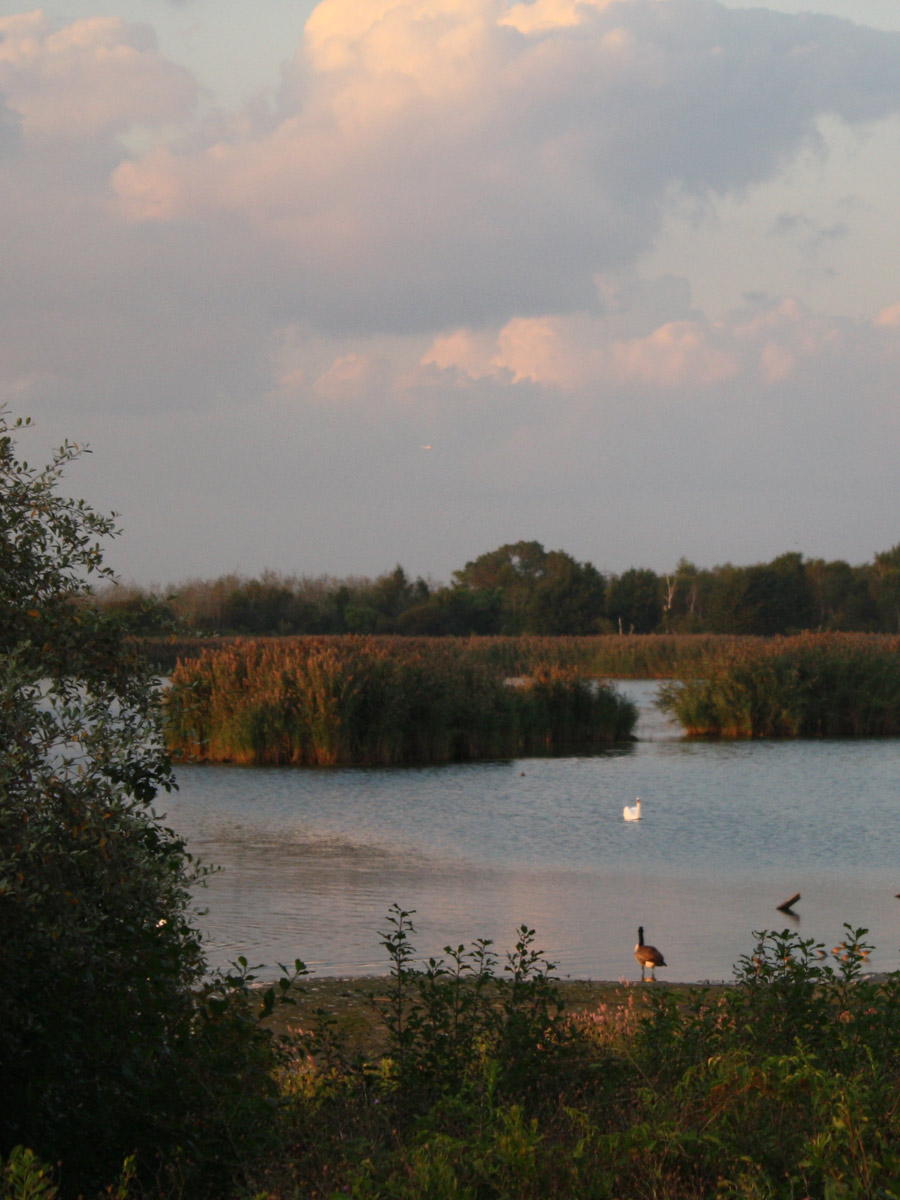
The refuge's 9,155 acres contain diverse habitats including salt marsh, upland field and woods, several fresh and brackish water ponds and an open expanse of bay available for exploration. At the Visitor Contact Station, a recently built "green" building, rangers can point you in the right direction whether you are interested in bird watching, strolling quiet trails or just experiencing the outdoors. The facility is also home to exhibits which highlight Jamaica Bay's remarkable plant and animal life, history, and how people continue to shape the nature of the bay. A wide range of ranger and volunteer led programs are offered year-round at the site, and include presentations on seasonal wildlife, sunset tours, family programs and an annual lecture series. Check out what's happening at Jamaica Bay.

A birder's paradise, there are more than 330 bird species that have been sighted at the refuge over the last 25 years; that is nearly half the species in the Northeast. It is one of the most significant bird sanctuaries in the Northeastern United States and one of the best places in New York City to observe migrating species. The refuge is also home to an impressive array of native reptiles, amphibians, small mammals, over 60 species of butterflies and one of the largest populations of horseshoe crabs in the northeast.

Originally managed by the New York City Parks Department, Park Commissioner Robert Moses ordered the creation of two large fresh water ponds in Jamaica Bay -- East Pond and West Pond -- which are still major parts of the landscape today. In 1972, the city transferred ownership of the refuge to the National Park Service and it became part of Gateway National Recreation Area.

"There is always something unexpected about nature in New York City. Even a simple find (such as a dead bee on a windowsill) can lead to important personal discoveries."Ranger

National Park Service Ranger Dave Taft.


Learn about the ecology that can be found in the city from National Park Service Rangers.

Osprey nest

One of Jamaica Bay's biggest success stories is that of the osprey. On the verge of extinction in the 1970s due to DDT pollution, the osprey population has been increasing thanks to the efforts of the National Park Service and other agencies that work in the bay. Visitors can often spot these birds at their nests on one of the specially built platforms in the refuge.

Learn more

Ranger Stories

Listen to Ranger Dave Taft's memorable account of "Hawking on the Harbor."